Bruce Schneier is an internationally renowned security technologist and author. Described by The Economist as a "security guru," Schneier is best known as a refreshingly candid and lucid security critic and commentator. When people want to know how security really works, they turn to Schneier.
His first bestseller, Applied Cryptography , explained how the arcane science of secret codes actually works, and was described by Wired as "the book the National Security Agency wanted never to be published." His book on computer and network security, Secrets and Lies , was called by Fortune "[a] jewel box of little surprises you can actually use." His current book, Beyond Fear , tackles the problems of security from the small to the large: personal safety, crime, corporate security, national security.
Schneier also publishes a free monthly newsletter, Crypto-Gram , with over 100,000 readers. In its seven years of regular publication, Crypto-Gram has become one of the most widely read forums for free-wheeling discussions, pointed critiques, and serious debate about security. As head curmudgeon at the table, Schneier explains, debunks, and draws lessons from security stories that make the news. Regularly quoted in the media, Schneier has written op ed pieces for several major newspapers, and has testified on security before the United States Congress on many occasions.
Please note: Blogs contain items that are the responsibility of the author and are presented "as is" with no endorsement from, nor editing by, nor approval from complianceandprivacy.com. The copyright owner for the blog items is that of the originator of the item. Each blog item is reproduced from the relevant feed from the originating blog, either in full or in part as that feed itself determines. All blog item header links lead directly to those items on the original blog. Blogs are dynamic. We offer them in good faith, but, where the content is outside our control we cannot be responsible for their errors, omissions or other conduct. Some of the links on this page remain on this site, others go to other sites; that is the nature of a blog. When you leave this site you are encouraged to be aware of the privacy policy of the new site before leaving personal data there.
This site is independent of all its sources
The contents of the site are sourced from across the industry. All copyrights are acknowledged.






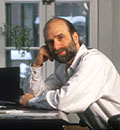 Bruce Schneier is an internationally renowned security technologist and author. Described by The Economist as a "security guru," Schneier is best known as a refreshingly candid and lucid security critic and commentator. When people want to know how security really works, they turn to Schneier.